 John Nwaigwe
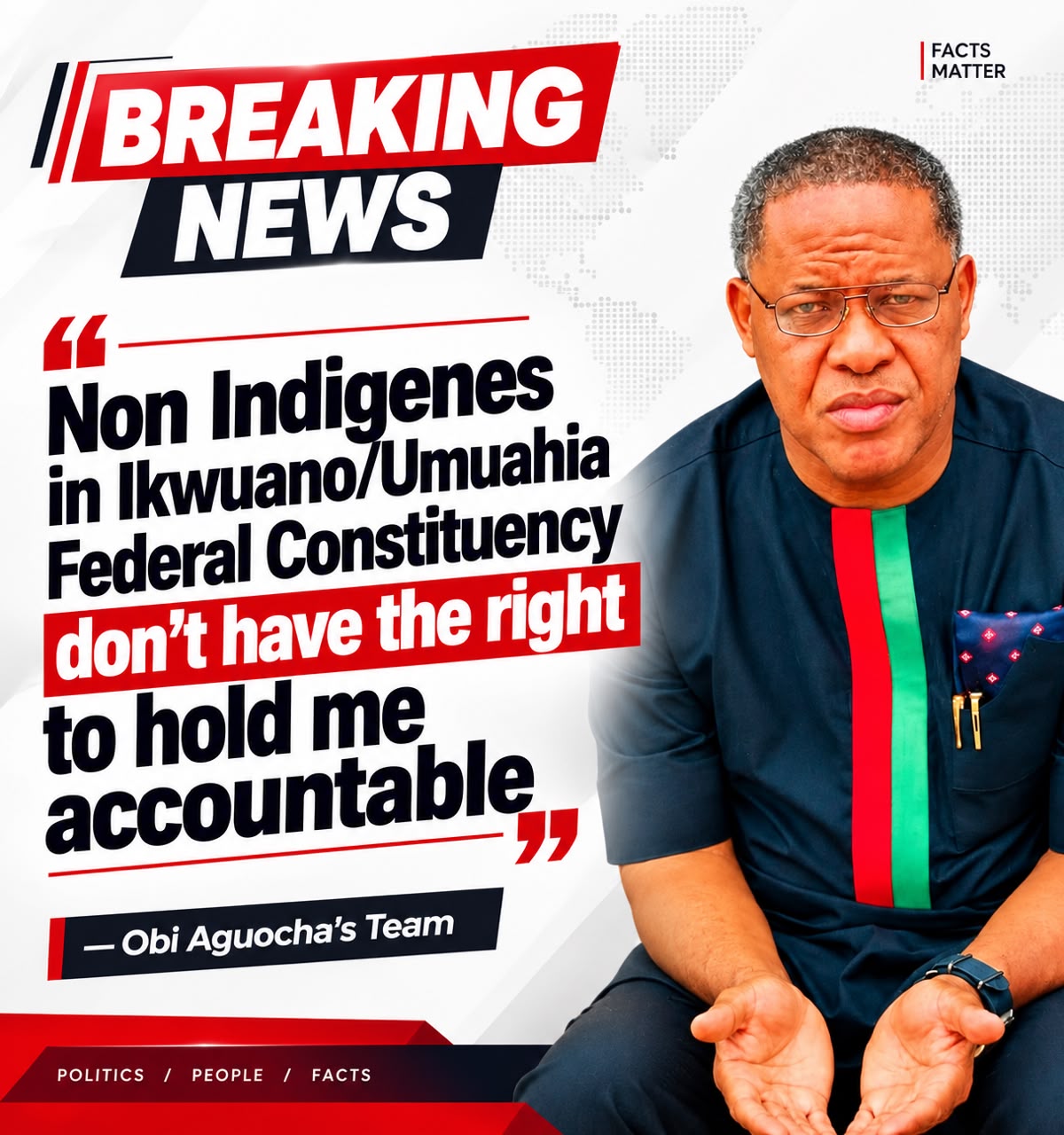
Obi Aguocha: Theodore ORJI’S 2011 CIVIL SERVICE DECISION WAS A COLLECTIVE GOVERNORS’ FORUM POLICY, NOT AN ISOLATED ABIA INITIATIVE: ARE YOU RUNNING AN ELECTION AGAINST SENATOR T. A. ORJI?
Hon. Obi Aguocha’s reference to the administration of former Governor Theodore Orji during his recent radio interview calls for proper historical clarification, particularly to prevent the distortion of facts for political purposes.
The disengagement of non-indigenous civil servants in Abia State in 2011 was not an isolated policy initiated by the Theodore Orji administration. It followed a wider development across several states in Nigeria, where non-indigenous civil servants were disengaged from their respective state civil services.
It is important to establish the correct sequence of events. States such as Enugu, Anambra, Imo and Akwa Ibom were among the states that first disengaged non-indigenous civil servants, before Abia State subsequently took a similar decision. Other states, including Ebonyi and Edo, also implemented comparable measures around that period.
The development was connected to the new minimum wage and the financial implications for state governments, as well as the growing concerns over the treatment of their indigenes working in other states. Abia indigenes were among those affected by the actions of other state governments. Consequently, the Theodore Orji administration had to respond to the prevailing situation, including the need to accommodate Abia people who had lost their jobs in other states.
Therefore, presenting the Abia decision as though Theodore Orji independently conceived and implemented a discriminatory policy without acknowledging what had happened elsewhere is historically misleading. Abia did not start the process; it joined a trend that had already been initiated by other states.
More importantly, one significant exception deserves recognition: the Theodore Orji administration retained Abia daughters who were married to non-Abians. This demonstrated an understanding of their peculiar circumstances and ensured that they were not subjected to the same treatment as other non-indigenes.
Hon. Obi Aguocha should appreciate that political commentary must be guided by facts, fairness and a proper understanding of history. If we must revisit the decisions of previous administrations, we must be honest enough to examine the events that preceded them, the actions of other states and the circumstances that informed Abia’s eventual decision.
The question, therefore, is this: Is Hon. Obi Aguocha genuinely interested in setting the historical record straight, or is he merely using the issue to score cheap political points against Senator T. A. Orji? Is he preparing to run an election against Senator T. A. Orji, or is he interested in addressing the real concerns of his constituents?
There is a clear difference between holding former administrations accountable and deliberately distorting history to discredit political opponents.
Ultimately, historical policy decisions must be separated from the responsibility of delivering quality representation to the people today. Abia deserves constructive engagement, not the recycling of historical controversies for political advantage.
Let us debate with facts, acknowledge the full historical context and focus on the issues that genuinely matter to the people of Abia State.